The Row’s own Bags Overview, Explained: Understanding the Brand’s Signature Shapes
The Row holds a distinctive standing in modern fashion. Started by Mary-Kate and Ashley Olsen in 2006, the house has spent almost twenty years cultivating a name not on logos or seasonal noise, but on restraint. Absent are the monogram canvas, the obvious branding, the visible hardware angling for attention. The Row bags, instead, depend on proportion, leather quality, and construction built to reward close scrutiny. To grasp why these pieces inspire such loyalty — and such strong resale value — it’s useful to examine the core silhouettes that characterize the house, rather than grouping the collection together as an undifferentiated pile of “luxury minimalism.”
This breakdown takes on the silhouettes that matter, and clarifies what distinguishes a truly outstanding piece from a merely pricey one; in addition, it shares practical guidance on where to look if you’re chasing a bargain, including how a row sale really tends to work in practice.
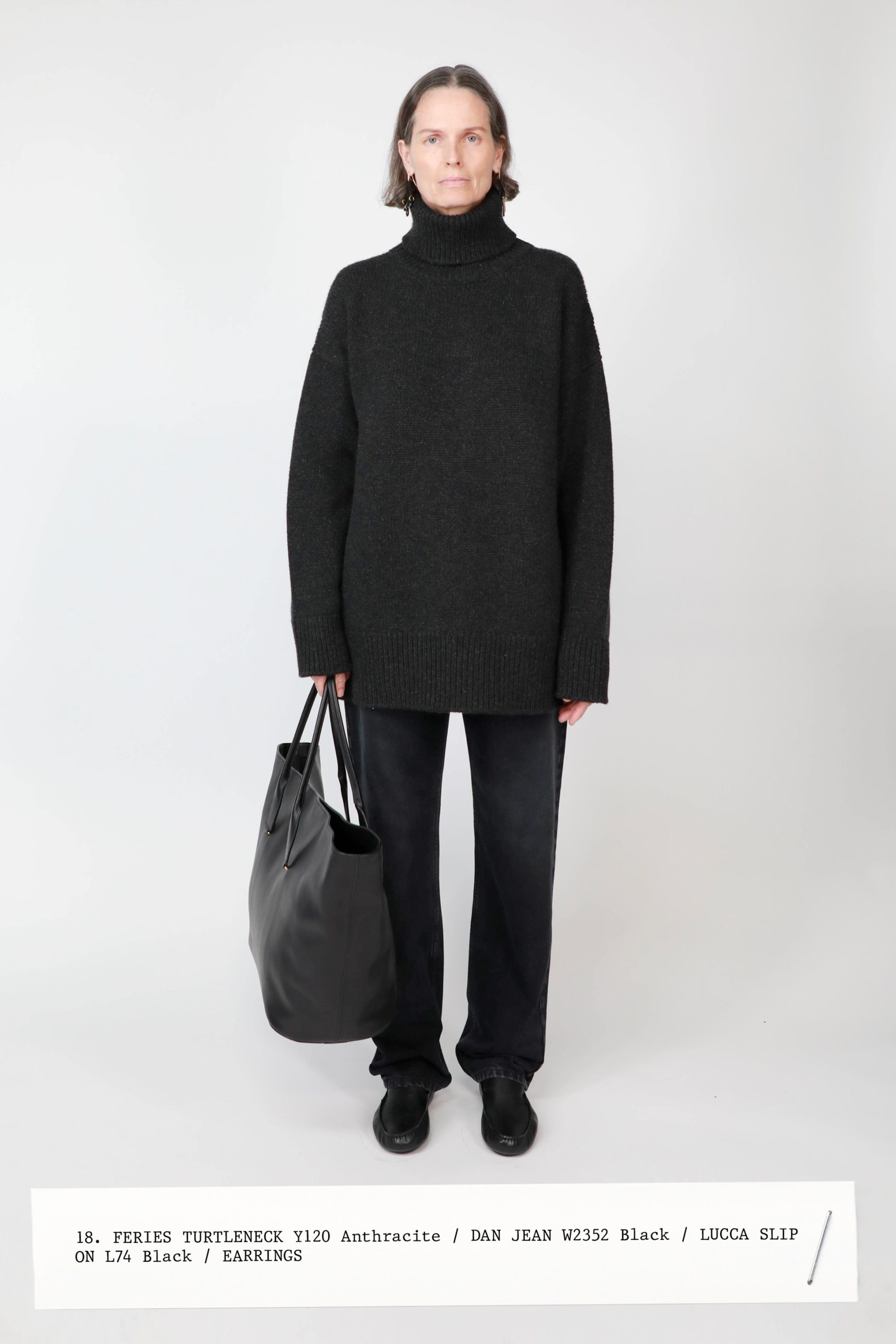
The Row’s own Approach to Bags: Why It Diverges from the Norm
Most high-end fashion labels establish brand recall through repetition — a distinctive hardware detail, a stitched quilting motif, a logo-lettered pattern. Instead, The Row charts a contrary course. Relaxed, fluid shapes, muted tonal palettes (think taupe, ecru, black, and various browns), and leathers so supple they need almost no embellishment to justify their price — these are what its creative identity leans on. It’s a calculated stance. Mary-Kane Olsen and Ashley Olsen have spoken about wanting garments and accessories to function as quiet luxury rather than status signaling.
To an unfamiliar shopper, the row’s bags come across almost identically, but a catalogue of them shows how completely distinct they feel once handled. Someone buying for the first time often fails to fully appreciate The Row until they touch the leather or realize how the bag keeps its structure without heavy structural backing. That physical nuance is key https://rowoutlet.com/ to understanding the brand’s pricing, which often falls somewhere between $2,000 and $6,900 according to the size, the leather used, and the hardware finish.
The Margaux Tote: The Label’s Signature Tote
The Margaux stands as the one bag that brought The Row to wider attention for a wider public fashion insiders. Within a decade of its debut, this the row tote bag — initially unveiled in the early 2010s — had grown into an object of near-obsession, embraced by models off duty alongside stylists and editors chasing a bag that projected luxury without feeling showy. With sizing commonly referenced as Margaux 10, 12, 15, and 17 — the figure loosely reflecting width in inches — the Margaux spans a range of sizes, giving buyers everything from compact everyday carry to a true office tote able to hold a laptop and documents.
The overall form is pared-back: a slouchy, open-top tote featuring sparse hardware and rolled handles resting easily on the shoulder. Smooth calfskin and grained finishes have both appeared among the leather options, while color choices rotate each season yet rarely deviate much beyond a neutral palette. A lot of people want to know where to buy The Row Margaux bag, and the honest reply is that availability is inconsistent — the brand intentionally limits supply, which is partly why resale interest remains high.
A Look at the Sofia, the Wander, and More Structured Options
The brand’s range, apart from the Margaux, encompasses a handful of structured and semi-structured styles that serve their own distinct function. The Sofia delivers a more architectural top-handle shape, drawing in shoppers who prefer something closer to a briefcase form instead of a slouchy tote. The Wander bag, meanwhile, has built its own following as a crossbody option — smaller, more casual, and priced more accessibly than the brand’s larger totes, often making it a common entry point for first-time buyers.
There’s also the Ascot, a boxier top-handle bag with a distinctly retro silhouette, and various clutch and pouch styles that appear more sporadically depending on the season. Different use cases are addressed by each: office wear suits the Sofia, daily errands suit the Wander, and more formal or evening settings suit the Ascot. Grasping this variety is important because The Row is frequently boiled down in conversation to “the tote brand,” when in truth the label creates a quite varied set of silhouettes spanning different price tiers and purposes.
Materials, Construction, and What Justifies the Price
A major reason behind the brand’s price point is The Row’s leather sourcing practices. Italian-tanned leathers have been used extensively by the house, and for pieces such as the Margaux, the finishing technique relies on sparse seams specifically to achieve the loose, undone hang. Fewer seams generally mean more leather waste during production, which is part of why the cost stays high even though the aesthetic reads as simple.
Where it exists, hardware is generally understated — compact clasps, subtle zippers, subtle stamped logos instead of embossed branding. Such consistency holds true across the row bag lineup and carries over into smaller leather goods like card holders and pouches. Shoppers considering a buy should look closely at stitching consistency, how the leather ages (most pieces acquire a natural patina with age), and whether the bag’s slouch returns to shape after use, since these details are what separate authentic craftsmanship from counterfeit items saturating secondary markets.
Core Silhouettes Side by Side
Drawing on typical size range, use case, and overall pricing as of 2026, the following table lays out the key differences between four of the most frequently searched the row bags.
| Silhouette | Everyday Application | Span of Sizes | Estimated Pricing Tier |
|---|---|---|---|
| Margaux | A daily carryall also suited to office carry | Margaux 10 to Margaux 17 | Medium to premium (varies by the leather chosen and the size selected) |
| Sofia | Structured office carry | One primary size available, now and then joined by extra options | Top-tier |
| Wander | A crossbody suited to relaxed everyday wear | A small-scale build with one size focus | Lower entry point relative to totes |
| Ascot | Evening, formal occasions | Petite to medium | High |
This overview falls short of comprehensive — The Row regularly introduces limited editions and seasonal colourways frequently — but it gives a functional guide for anyone weighing up the leading Row bags before making a purchase decision.
Making Sense of How a Row Sale Truly Functions, and How to Spot Real Bargains
The Row’s pricing strategy is deliberately conservative, and that’s by design. Rather than following mass-market luxury brands and their regular sale periods, the brand tends to allow price cuts to surface late in a season, typically via authorized multi-brand retailers rather than The Row’s direct storefronts. Rather than flash sales or brand newsletters, you’re more likely to find a The Row sale at reputable high-end online retailers or multi-brand retailers stocking the line.
Since manufacturing batches are limited, reduced-price items sell out in no time, and in-demand sizes such as the Margaux 12 almost never stay available past a few days after being discounted. Being patient really pays off in this case. Shoppers who genuinely want to score a deal ought to set up alerts with sellers recognized for stocking The Row fashion lines, browse end-of-season markdown areas near January and July, and remain poised to react swiftly once stock surfaces. Resale platforms are another route, though verifying authenticity turns essential given how commonly imitation “Row-style” bags turn up.
Crucial Factors Before Making a Purchase
Rather than following trends, choosing among the row handbags really comes down to day-to-day habits, given that these pieces are designed to hold up over years rather than seasons. Someone traveling to work daily with a computer in tow will find far more use in a Margaux 15 or 17 than in a compact Wander. Anyone who often goes to evening occasions might favor the Ascot’s structure over the Margaux’s slouch. A handful of practical questions deserve answers before you commit:
- For what exact daily tasks would the item see use, and with what regularity?
- Is regular upkeep feasible for you, or does the leather finish work for a easy-care lifestyle instead?
- Is the dimensions proportionate to your body proportions and everyday day-to-day load?
- As an entry point into the brand, would a lower-cost investment piece like a small pouch or cardholder be more sensible?
These considerations carry more weight with The Row than with brands built around logos, as the attraction here is entirely functional and textural rather than symbolic. Regardless of craftsmanship, a bag mismatched to daily life will simply go untouched.
The Closing Take on Curating a The Row Edit
Shoppers gain a much clearer vantage point by understanding The Row’s core silhouettes — the Margaux, Sofia, Wander, and Ascot — instead of simply browsing listings without direction.
Since every silhouette solves a different problem, recognizing that distinction makes it easier to justify the money spent.
Certain Margaux sizes have outperformed in value retention than bags from much noisier, more aggressively promoted brands, a direct result of the brand’s refusal to chase trends, which has kept value on the resale market firm through 2026.
For newcomers to the brand, the wisest strategy is to pin down the daily task the bag must serve, look into available inventory through reputable vendors, and keep an eye out for periodic price drops instead of counting on constant markdowns. Just as the bags themselves require care and exactness, The Row rewards those who bring patience and precision.